Wild Honeybee Atlas
as wildlife
with every custodian
bee trees
with everyone
A Living Map of Wild Honeybees
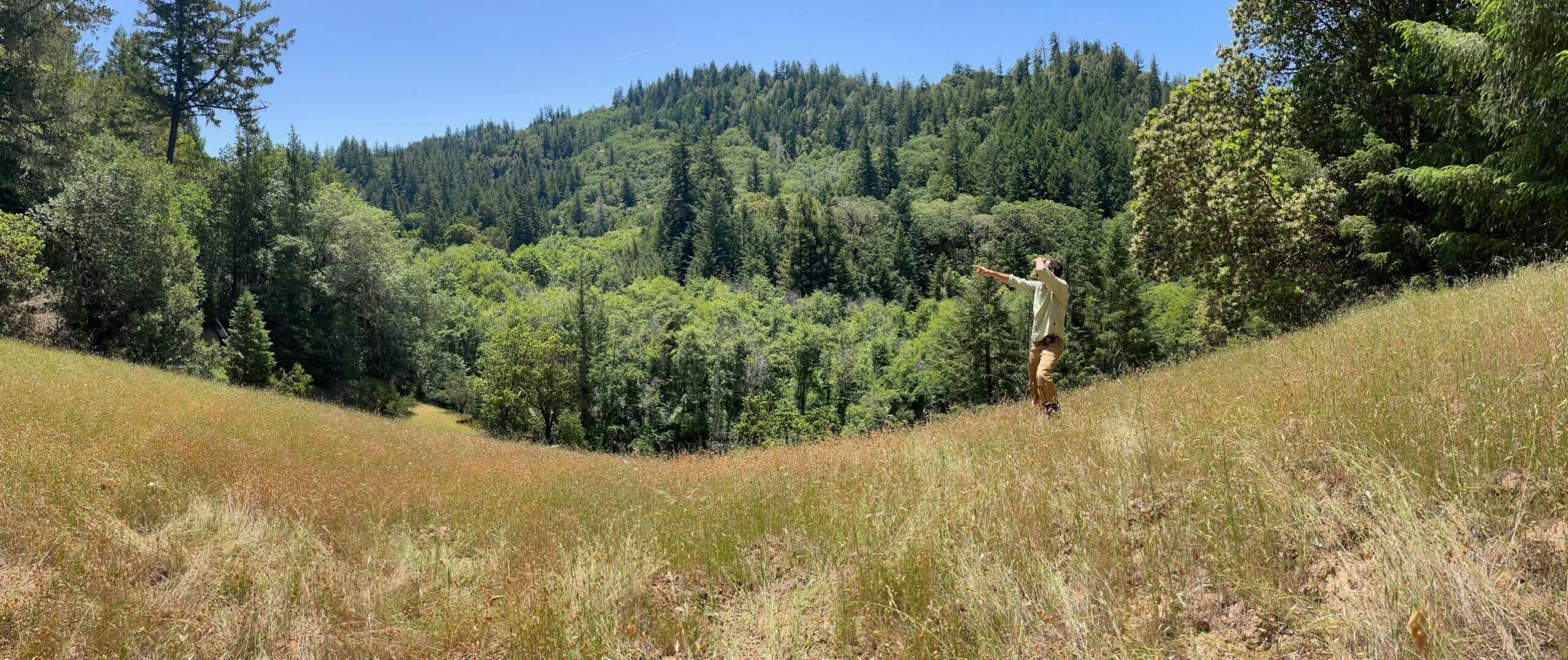
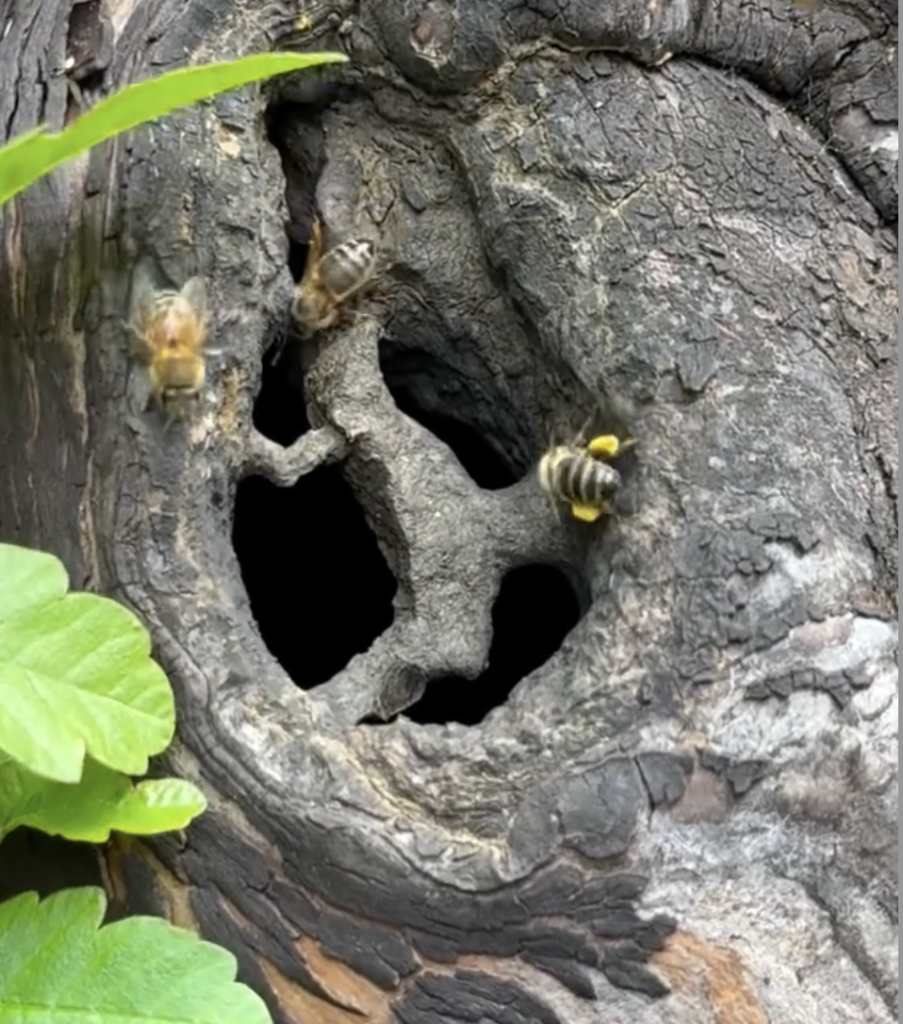
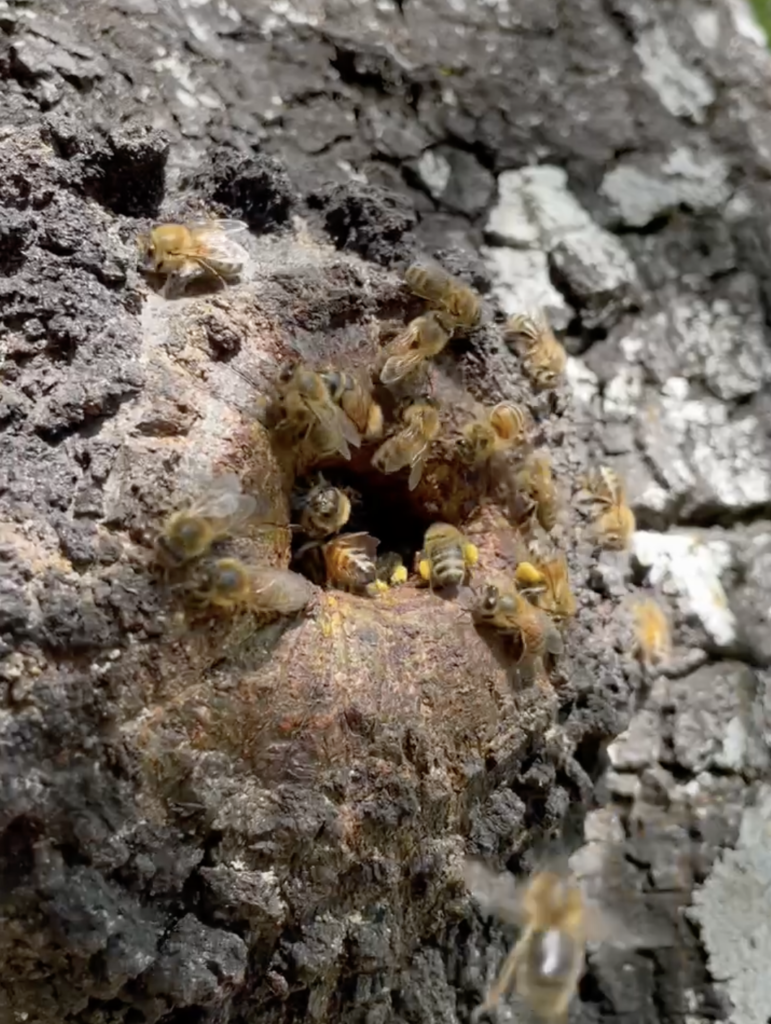
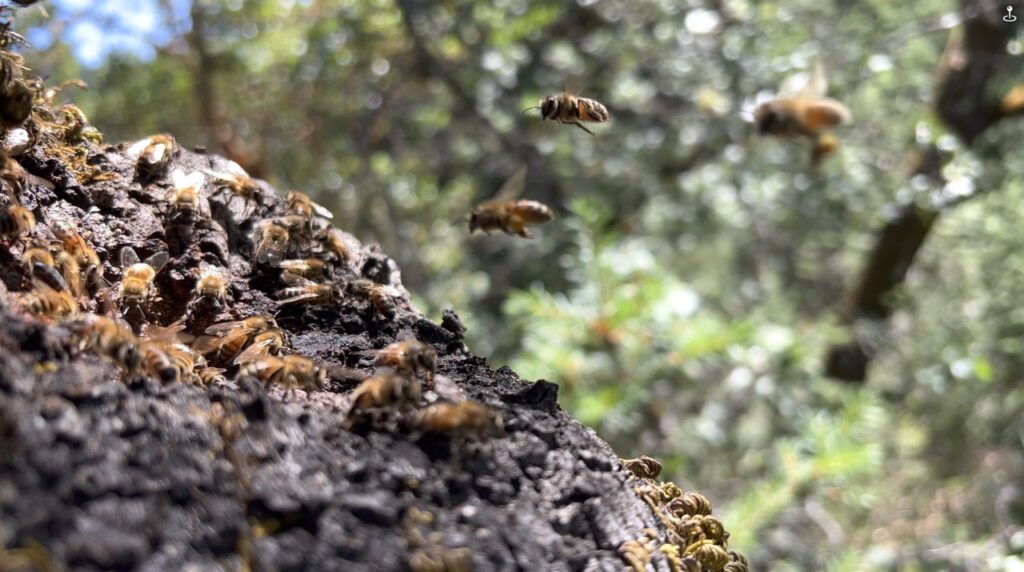
The Wild Honeybee Atlas is a community-sourced, open-data platform for custodians (users) to document free-living honeybees (Apis mellifera) around the world. It brings together field observations, ecological data, and local knowledge to reveal where honeybees choose to live, their life span, and what those choices teach us about resilience, habitat quality, and the ecological conditions of their adopted landscapes.

As a custodian, you will help to:
- Map wild honeybee nests in trees, cliffs, walls, and buildings
- Record habitats, tree species, microclimates, and surrounding ecology
- Support long-term research on adaptation, health, and survivorship
- Provide data for education, conservation planning, and policy work
Each custodian submission—rural or urban, small or detailed—strengthens our understanding of wild honeybee life.
Why It Matters
Free-living honeybees demonstrate that they can develop resilient, self-sustaining populations with high survival rates surpassing the life expectancy of hives in apiaries by a margin of 100%. They retain powerful capacities for self-regulation and adaptation and benefit from evolutionary processes.
The Wild Honeybee Atlas helps us see and support these possibilities, shifting attention from managing hives to cultivating living landscapes that sustain bees on their own terms. Learning from wild populations will be an essential resource for developing sustainable apicultural practices.
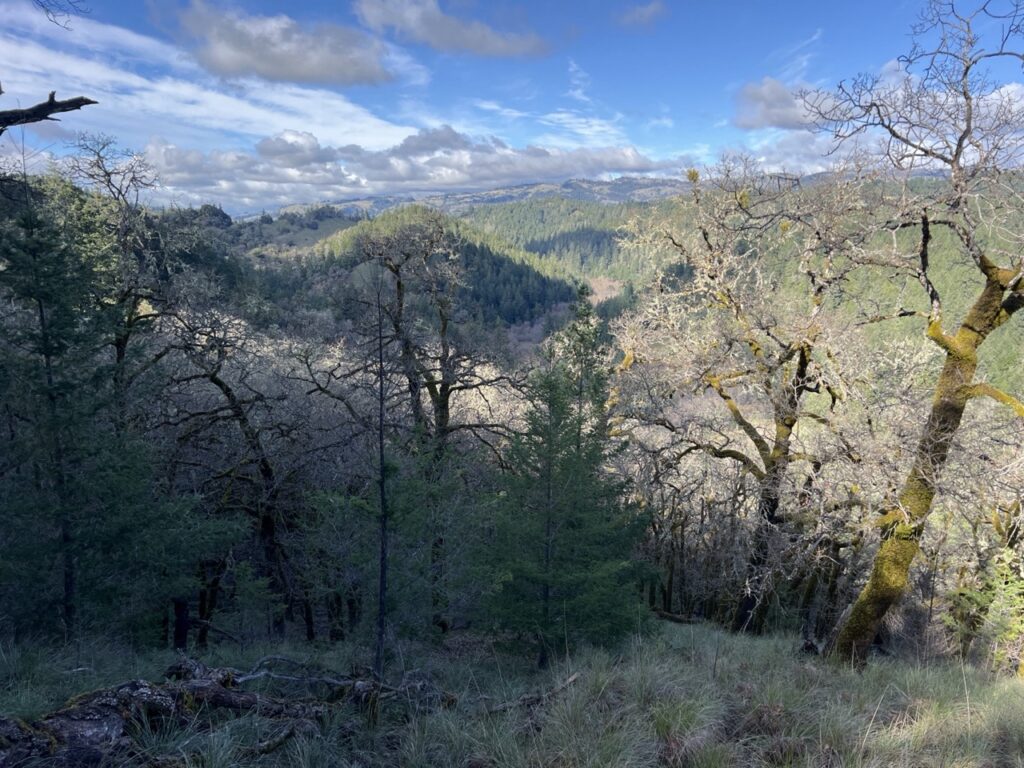
The Wild Honeybee Atlas Is Designed For:
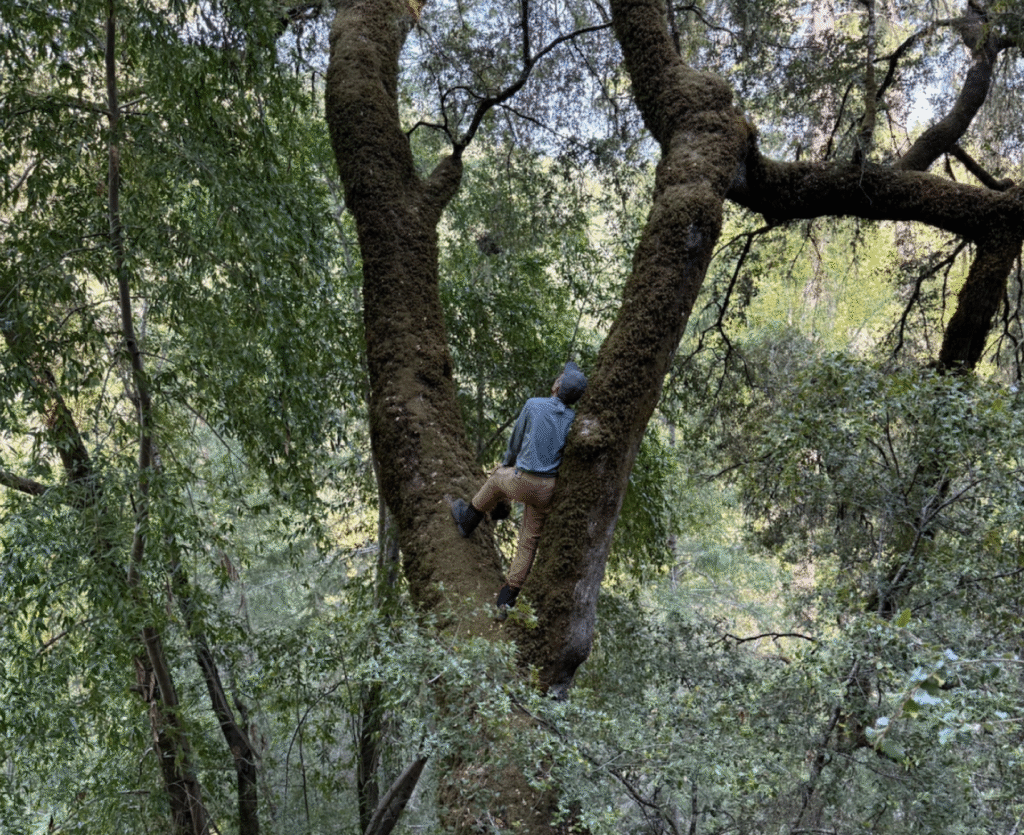
Beekeepers & Land Stewards
Insights into how free-living honeybees thrive without intervention—informing regenerative, low-impact apicultural practices.
Citizen Scientists & Educators
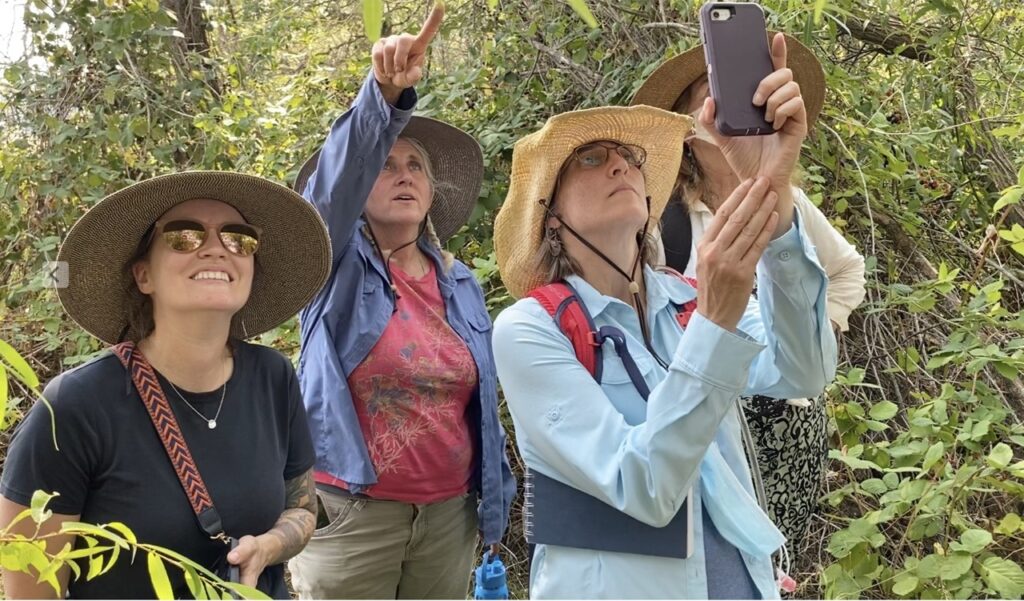
An easy way to document nest sightings, engage students, and participate in a global ecological project.
Scientists & Researchers
Geographically diverse data on nest density, habitat, and population dynamics; opportunities for collaborative research.
Community Activists & Policymakers
Local nesting records support habitat protection and watershed planning, offering visible evidence of wild bee presence.
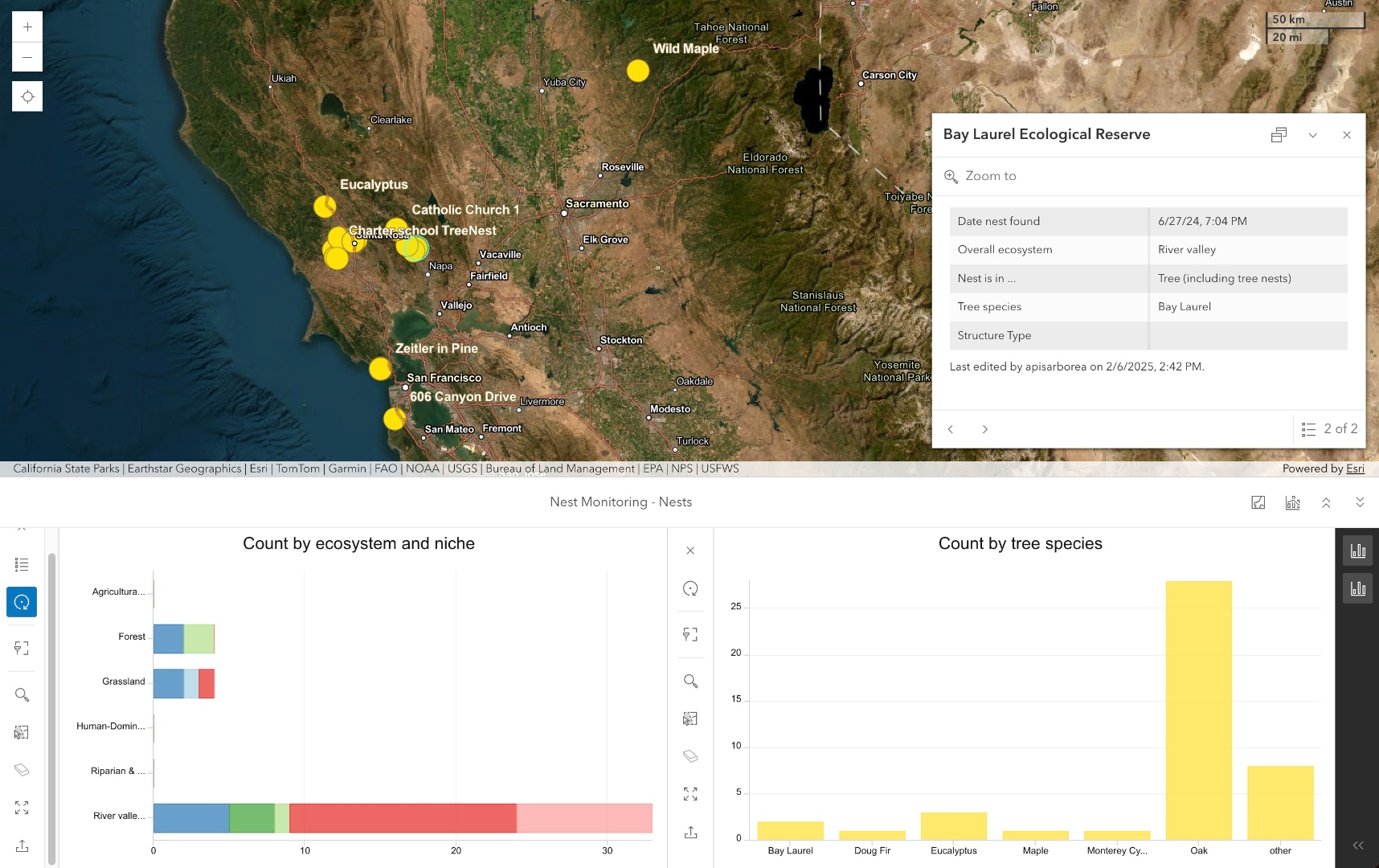
All Registered Bee Trees Can Be Viewed by the Community of Custodians
Shared Values
The Wild Honeybee Atlas is founded on transparency, reciprocity, and collaboration and is a free tool that can be used by local communities around the world. The open-data concept offers free access to academic researchers and NGOs. This openness asks for mutual respect. The Atlas community is a living network — a field of shared discovery and learning, and each member’s participation strengthens it.
Our ethos is one of generosity and service: sharing not for ownership, but for the collective understanding and protection of wild honeybees. Like the bees themselves, we work in concert, each contribution forming part of a larger system that extends beyond any single node. Through this collaboration, the Atlas becomes more than a map; it becomes a reflection of our connection with each other and with the living world we seek to serve.
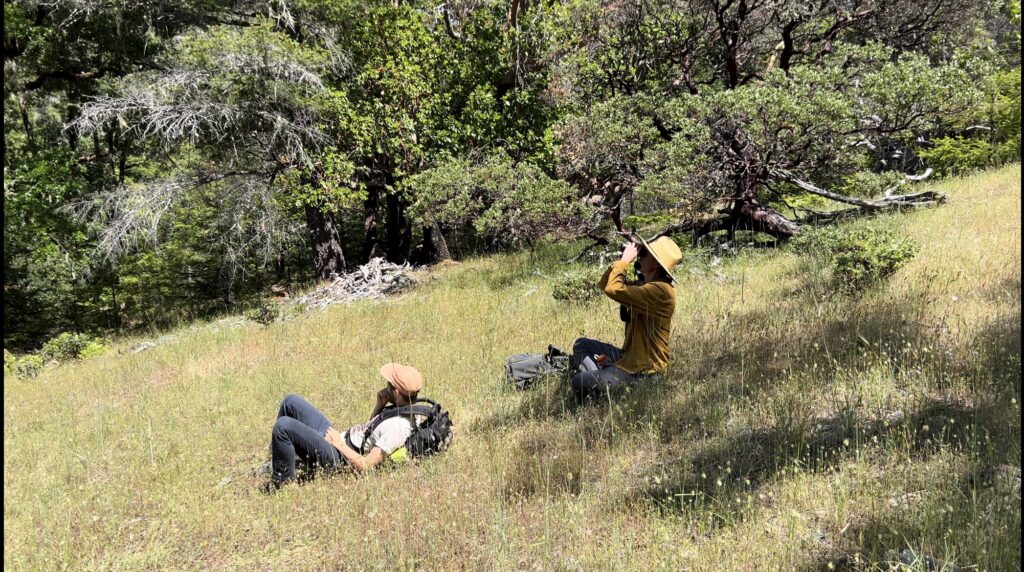
Watch: Atlas Introduction
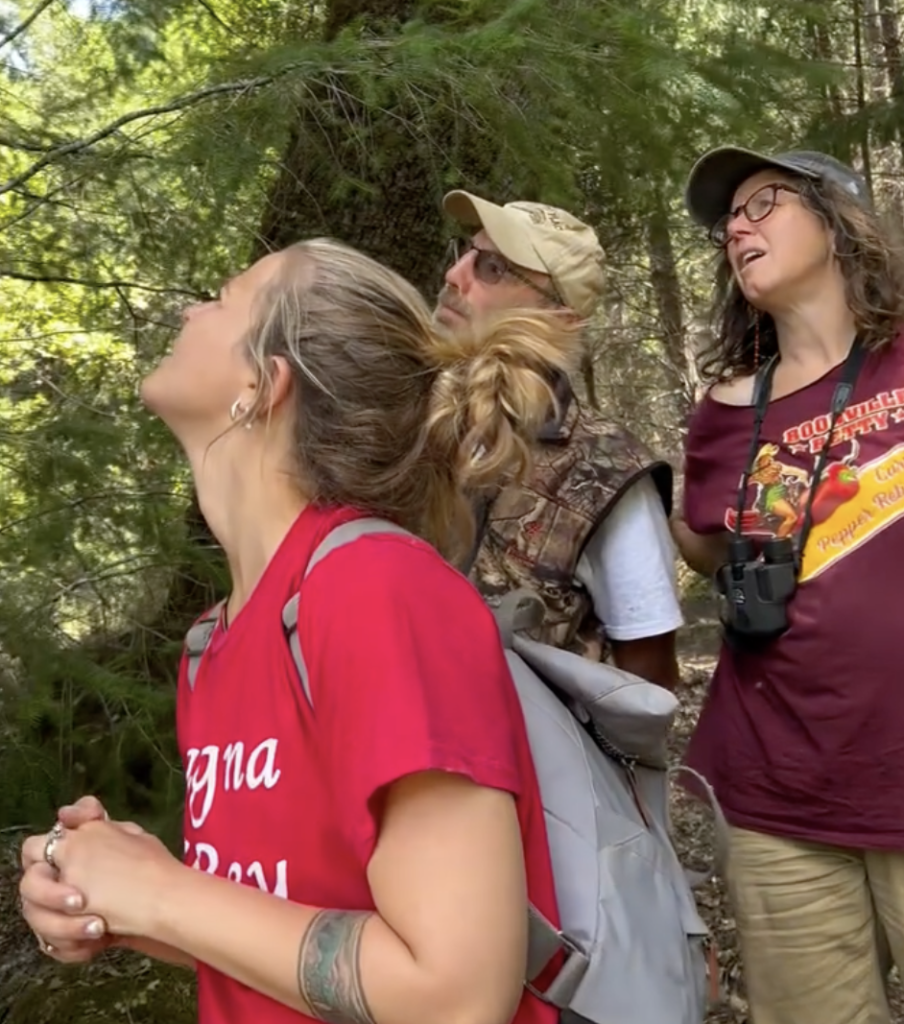


Join the Atlas Community
Register to become a Wild Honeybee Atlas Custodian and learn how to participate in finding and monitoring our wild honeybee populations in your area.
Foundations
The Wild Honeybee Atlas tracks free-living, self-sustaining honeybee populations — colonies that persist through natural selection, without management. Two questions come up often: why do we say “wild” instead of “feral,” and how do honeybees fit within native ecosystems? These short papers set out the evidence and the reasoning behind the Atlas’s approach.
Why Wild? On the use of “wild” and “feral” for free-living honeybees →